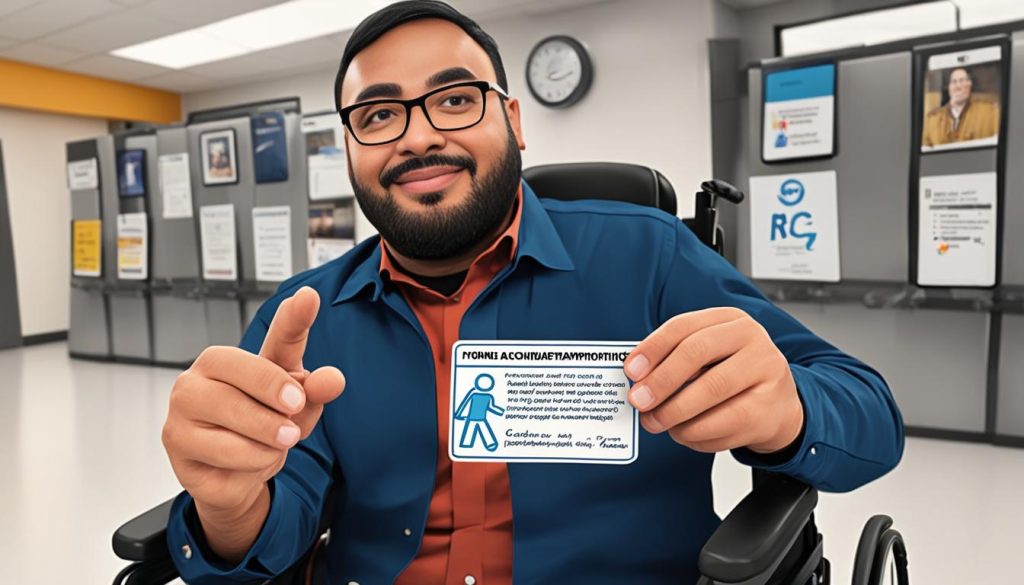
Disability support
Applying for a Disability Card? Here’s What You Need to Know
Published April 12, 2026
If you’re applying for a disability card in the United States, this guide is for you. A disability card is for state-issued IDs and parking permits. It also includes federal cards for benefits and other proof of disability.
The international disability card from disability-card.com is great for travelers. It’s widely accepted and has strong user feedback.
People get a Disability ID Card for many reasons. It’s for accessible parking, service accommodations, and easier access to services. It also proves you have SSDI or SSI benefits.
This article will explain how to apply, who can apply, and the differences between state and federal cards. It’s for adults, family members, caregivers, and professionals like social workers.
To start, collect your medical records and a photo ID. Check your state’s DMV or health department website. If you need help, contact local disability rights organizations.
The next sections will cover definitions, eligibility, types of cards, and how to apply. You’ll also learn about required documents and tips for a successful application.
What is a Disability Card?
A disability card proves a person has a qualifying impairment. It may need special services or accommodations. It can be a Disabled Card, a Disability ID Card, or a parking placard.
Definition and Purpose
A Disability ID Card shows who you are and your disability status. It’s used at places like transit agencies and hospitals. It also helps with parking and getting discounts.
Eligibility Criteria
To get a disability card, you need to meet certain rules. State DMVs and health departments check your medical records. They look for conditions that limit your daily life.
Some cards are for short-term use, while others are permanent. Federal cards need you to meet specific rules, like getting SSDI/SSI.
Make sure you know the rules for getting a disability card. Check official websites and talk to your doctor for help.
Types of Disability Cards in the United States
In the United States, there are many documents that prove you have a disability. These include state-issued parking placards and federal notices of award. Knowing the differences helps you get the right disability card benefits at the right time.
State-Specific Programs
Most states give out physical credentials through DMVs or health agencies. You can get Disabled ID Cards for ID, disability parking placards and plates, transit cards, and social services cards.
- California issues Disabled Person Placards and parking placards with rules that vary by county.
- New York provides a Disabled Parking Permit and a New York State disability identification card for everyday use.
- Texas offers disabled parking placards and separate Disabled Person Parking placards that require distinct application forms.
You can find application forms on state DMV websites, county offices, and health department portals. Many states let you mail in forms with a doctor’s note. The time these cards are valid varies, and so do the rules for renewing or replacing them.
Federal Programs Overview
Federal benefits don’t rely on a single Disabled Card. Programs like SSDI and SSI give out benefit letters and Notices of Award. These, along with Medicare or Medicaid cards, prove you’re eligible for many programs.
The Department of Veterans Affairs gives out VA disability identification cards and Veteran Health ID Cards (VHIC) for service-connected conditions. Some federal programs use electronic benefit cards for state-administered aid. These cards identify recipients but don’t prove disability universally.
Federal recognition, like an SSDI award letter, can help with state disability ID cards and parking privileges.
Benefits of Each Type
State Disabled ID Cards and parking placards offer practical benefits. They give you accessible parking, closer spaces, lower parking fees, and easier entry to places. Local businesses and authorities often accept these cards.
Transit or reduced-fare state cards lower public transportation costs. They can also qualify you for paratransit under ADA services. This reduces travel barriers and supports your independence.
Federal documents unlock broader supports. Medicare, Medicaid, SSI, SSDI, and VA benefits provide medical coverage, monthly cash support, and specialized VA services. Using a state Disabled ID Card with federal award letters can maximize benefits across health, finance, and mobility needs.
Rules and acceptance vary by place. Make sure to check which specific card or documentation a service requires before using it for discounts or access to disability benefits card programs.
How to Apply for a Disability Card
Getting a Disability Card can seem hard. This guide helps you through the process. It covers what you need and answers common questions. Take your time and have your documents ready.
Step-by-step application process
- First, figure out what card you need. It could be a Disabled ID Card, parking placard, or something for Social Security or the VA.
- Then, go to the right place. Use your state DMV, health department, or the SSA website. Avoid sites that charge extra.
- Get a doctor’s note. Ask a licensed doctor to fill out the form or write a letter.
- Fill out the application. Put in your personal info, describe your disability, and attach ID. Don’t forget the doctor’s signature.
- Send in your application. You can mail it, go in person, or use online options. Pay any fees that apply.
- Once you get your card, use it right. Follow the rules for placards or carry your ID Card. Remember when it expires and when to renew.
Required documentation
- You’ll need ID like a driver’s license or passport.
- Proof of where you live might be needed. This could be a utility bill or lease.
- A doctor’s note is key. It should explain your condition and how it limits you.
- If you’re getting a card through SSA or VA, bring their award letters.
- You’ll also need to fill out state forms. If you’re a minor or need someone to represent you, bring the right paperwork.
- Things like recent doctor’s notes or test results can help speed things up.
Frequently asked questions
- How long does it take? It varies. DMV-issued placards might take days to weeks. SSA decisions can take months.
- Is there a fee? Many states don’t charge for parking placards. Some Disabled ID Cards might cost a little.
- Can a temporary condition qualify? Yes, some states offer temporary placards. Check your state’s rules.
- Can someone apply for me? Yes, with the right papers and ID for both of you.
- What about renewal? Renewal rules differ. Find renewal forms on the agency’s official website.
If you have special questions, like about chronic conditions or terminal illness, call the agency. They can help with the application and requirements.
Tips for a Successful Application
Plan each step of the disability card application process before you start. Collect current medical records and clinician certifications that fit your state’s rules. Use official sites like your state’s DMV, Social Security Administration, or the Department of Veterans Affairs to avoid scams.
Common Mistakes to Avoid
Double-check every form field and make sure signatures from doctors are there when needed. Outdated documents or wrong personal info can slow down approval. Include a valid photo ID and proof of where you live if your state requires it. Also, remember when to renew your disability card to keep benefits going.
Resources for Assistance
If you need help, reach out to the DMV, SSA, or VA for real advice. Disability groups like the National Disability Rights Network and the American Association of People with Disabilities can help for free. Healthcare providers, legal aid, and local Centers for Independent Living can also help with paperwork and support.
What to Do After Application Submission
Keep copies of everything and track your application online or by phone. Be prepared to answer any follow-up questions. If you need immediate help, ask your doctor about temporary placards.
If your application is denied, read the notice carefully. Gather stronger medical evidence and follow the appeal steps within the time given.